 Arthritis Prevention
Osteoarthritis prevention
Osteoarthritis is the most common type of arthritis. About 33 million U.S. adults have it. It is common after 45 but is not a regular part of aging, and the CDC says there are things you can do to prevent or delay it.1
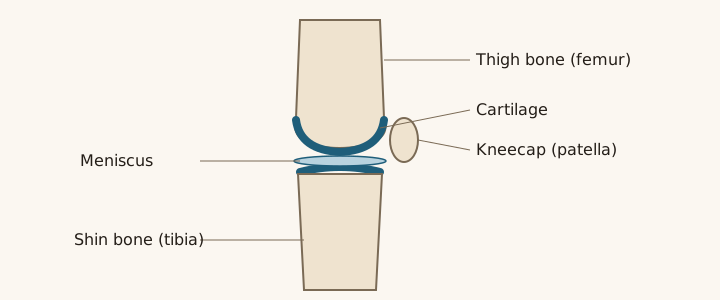
What happens in osteoarthritis
NIAMS describes osteoarthritis as a degenerative joint disease in which joint tissues break down over time. It can damage cartilage, tendons and ligaments, the joint lining, bone, and the knee’s meniscus. The hands, knees, hips, neck, and lower back are most often affected.2
What raises the risk
- Repetitive joint stress or injury
- Obesity, especially for weight-bearing joints such as hips and knees
- Family history
- Older age
- Being female, especially after age 50
How to lower it
- Stay physically active with joint-friendly activity.
- Keep a healthy weight.
- Protect joints from injury, and rehabilitate injuries fully.
- Talk with a provider early about joint pain or stiffness.
Symptoms to watch for
Joint pain when moving, stiffness after rest (usually under 30 minutes), swelling after activity, a loose or unstable feeling, and less range of motion.2
Questions
Is osteoarthritis just wear and tear?
No. NIH’s NIAMS says osteoarthritis happens when cartilage and other joint tissues break down or change structure, and that this does not happen because of simple wear and tear.
How common is osteoarthritis?
The CDC says about 33 million U.S. adults have osteoarthritis, the most common type of arthritis.
This page summarizes public health guidance. It is not medical advice and cannot diagnose joint pain. If you have pain, swelling, or stiffness that lasts, see a health care provider.
- CDC, “Osteoarthritis”, https://www.cdc.gov/arthritis/osteoarthritis/index.html, read November 11, 2026. ↩
- NIH NIAMS, “Osteoarthritis”, https://www.niams.nih.gov/health-topics/osteoarthritis, read November 11, 2026. ↩